A bit about me
Over the last 15 years I have been fortunate to find and cultivate a passion for growing things. Backyard gardens, basement cannabis grows, experimental food forests, mycelium cultures. Few things in life have made more sense than observing nature and participating in the process of life. Through this journey I came across the idea that with proper design and management we could develop low-input human-scale food systems that produce food of higher quality and nutrient density while improving the ecology through soil biology, biodiversity and carbon sequestration.
Along the way I also found a passion for sound money. The notion that we all have the god given right to store the surplus value we create for society in a money that cannot be stolen from us through inflation via money printing. That we deserve a savings technology that incentivizes its holders to plan for the future and lower their time preference. That the rules should apply to everyone equally. Some consider it a borderline spiritual endeavor to search for the bottom of the monetary philosophy rabbit hole.
Growing tomatoes in the backyard and reading about Austrian economics unfortunately does not pay the bills in today's economy. As such I managed to carve out a career in sales to fund my hobbies. I went from slinging solar door to door, to selling SaaS, to running cannabis wholesale organizations. But still the only things that really rev my engine are regenerative agriculture and sound money.
On the surface they don't seem directly related. But upon deeper inspection the concepts become inextricably linked. In 2020 I realized that Bitcoin was the only viable alternative monetary network to the inherently extractive one we are forced to use by the threat of force. And it was the only legitimate option for a fellow of my means to avoid the wage slavery on the other side of the economic calamity for which we are in store. At that point I knew it was my duty to dedicate my life to regenerative agriculture and Bitcoin education.
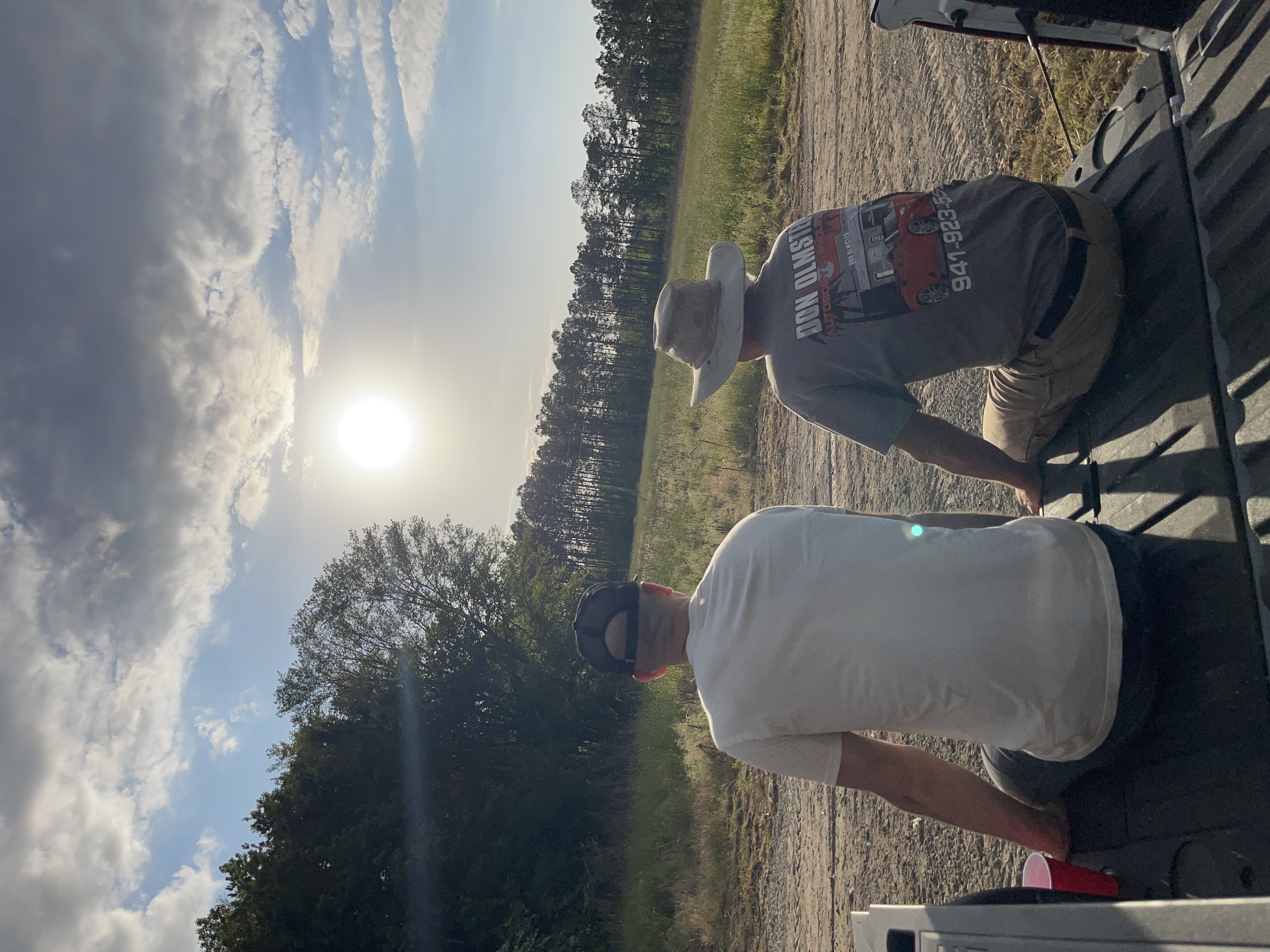
In 2023 I approached my dad with a master plan. I was going to buy some land, build a house and build a farm. He was going to move there when he retires and spend his days moving the cows and the chickens around. Sharing the same passion for sound money and resiliency he was sold. In December of 2023 I bought a 25 acre parcel of land in Lake City, South Carolina and the dream became a reality.
In the course of reading and researching the subjects of regenerative agriculture and sound money I came across the idea of orenda (oren-dah). It's an Iroquois word to describe a sort of invisible power present in all natural beings. A lifeforce that pervades everything; a collective power of all of nature's energies. This concept perfectly weaves the throughline between the ideas. Regenerative farming on a Bitcoin standard compounds lifeforce in a positive way. So we decided to name the farm Orenda Pastures.
The progress has been slow but steady over the last two years. Much like saving in sound money it's a game of patience. My dad laughs when I get impatient — apparently it reminds him of how his dad would laugh when he was impatient. We try to remind ourselves everything is right on time. Nature doesn't rush and neither should we.
The approach is sound. Direct our energy into building something that regenerates our little piece of earth and provides for the community now and in the future. And do it all with sound money as the medium. We're still actively planning infrastructure and enterprises but we plan to incorporate syntropic agroforestry, rotational grazing, plant nursery, mushroom cultivation, timber production and agrotourism.
We also document and share what we learn — and teach what we already know. If you want to check out the farm you can visit our site at orendapastures.com. Please subscribe for free to our newsletter to stay updated on the project. I'll also send you a free PDF copy of our Bitcoin 101 ebook — a free resource I wrote to simplify Bitcoin from first principles.